


For more than 70 years, 'The Mousetrap' has relied on a sophisticated, highly coordinated logistics operation to keep the curtain rising in London
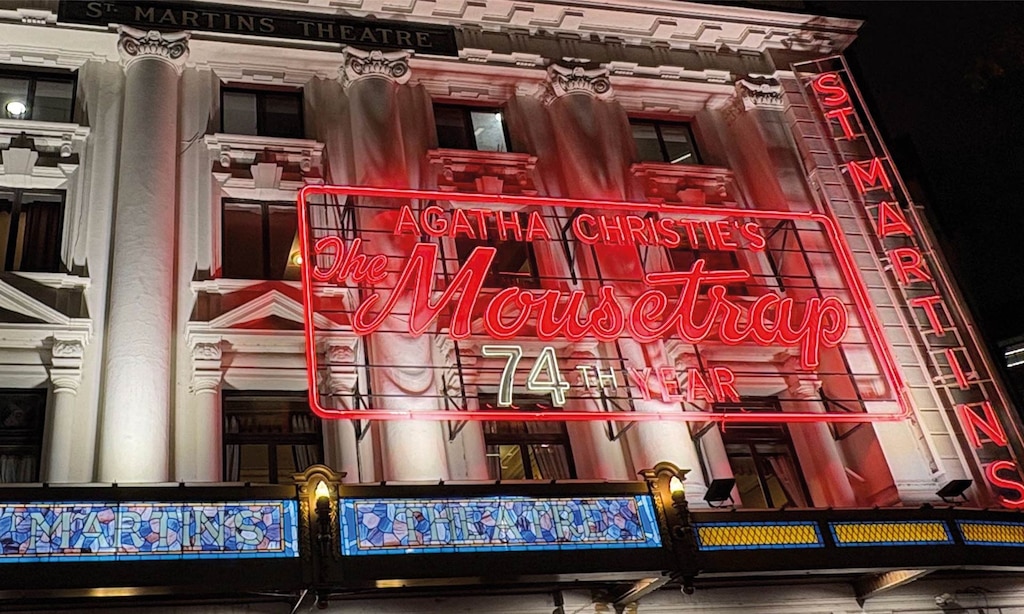
When people think of logistics, warehouses and material handling usually come to mind. Yet logistics is just as much about coordinating people, resources and processes so that complex operations run flawlessly. Few organisations illustrate this better than The Mousetrap, Agatha Christie’s play that premiered in 1952 and remains the world’s longest-running theatrical production. Staying in the West End for more than seven decades has depended on an intricate logistics operation. Although invisible to audiences, it is vital to ensuring the show goes on night after night.
Few productions come close to The Mousetrap’s record. In 2025, it reached its 30,000th performance. To put that into perspective, this is almost twice the roughly 16,000 West End performances of Les Misérables, one of the world’s best-known musicals and a hallmark of modern theatre.
So what has enabled The Mousetrap to remain on stage for more than 70 years? Beyond the suspenseful story that has captivated audiences since 1952, the play’s longevity relies on a carefully orchestrated logistics operation involving people, costumes, scenery and technical systems. “We’re here to do the best show possible for the audience that pays their hard-earned money to enjoy a few hours at the theatre,” says Paula Salmon, Company Stage Manager at London’s St. Martin’s Theatre.
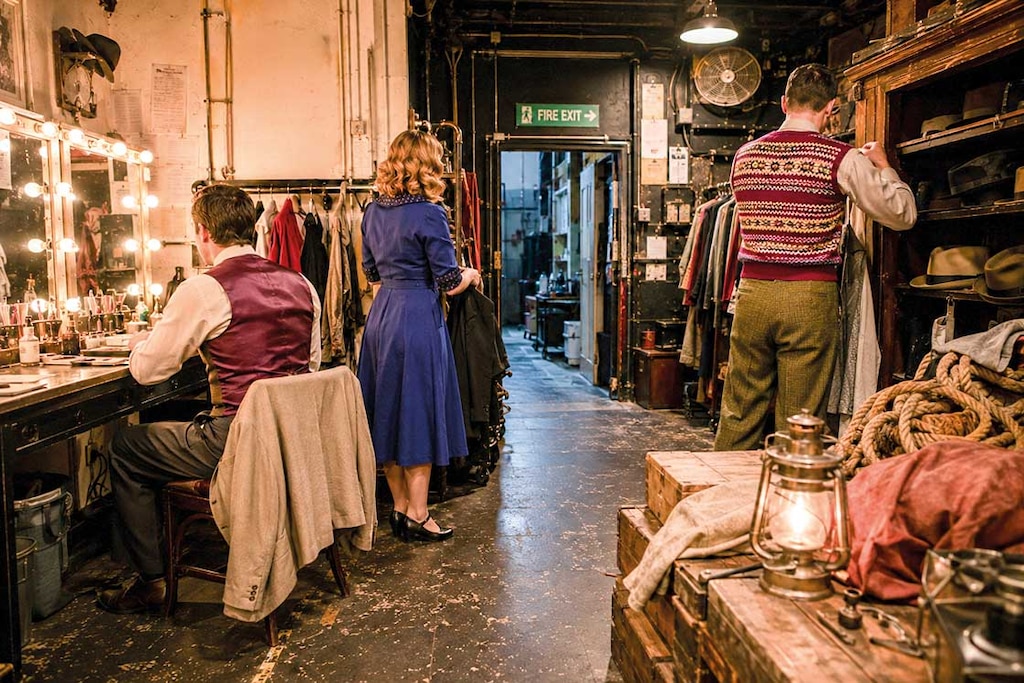
Planning for nine performances a week
Although audiences arrive shortly before the doors open, the logistics operation for The Mousetrap begins several hours earlier. “By planning ahead, we can remain flexible and act quickly should something unexpected arise. Being well-organised removes most of the stress from what is, by nature, quite a stressful environment,” says Salmon.
Staging nine performances a week requires meticulous preparation. The company works from detailed calendars setting out the timings and responsibilities of each department. As a result, everyone knows their tasks and the resources they will need well in advance.
Coordinating departments such as lighting, sound, wardrobe and stage management is crucial to delivering nine performances every week
This planning also extends to the daily routines leading up to each performance. “As soon as we arrive, we turn on the equipment and carry out sound checks to make sure everything is working correctly. We do this first so that, in the event of an issue, we have enough time to problem-solve and fix it,” says Salmon.
Managing resources: From props to costumes
Day-to-day operations at The Mousetrap revolve around continuous checks, with each department responsible for overseeing a specific part of the production. The lighting team tests the stage lights, the carpentry department maintains the set, and stage management checks the props used throughout the performance. “It’s very much a collaborative effort between all areas,” says Salmon.
Managing stage resources demands close attention to detail. Currently, more than 35 props are required for each performance, from the notepad carried by the lead detective to the wireless radio used on stage. Like the production itself, these items evolve with each change of cast and director. The absence of even a single prop could disrupt the performance (for example, if the teacup a character is meant to use were not in place at precisely the right moment). To minimise that risk, St Martin’s Theatre holds a small stock of the items that need replacing most frequently. “Whenever possible, we keep spares of everything, especially newspapers and notebooks. The essential items are stored in the wings, while reserve stock is kept in the office,” says Salmon.
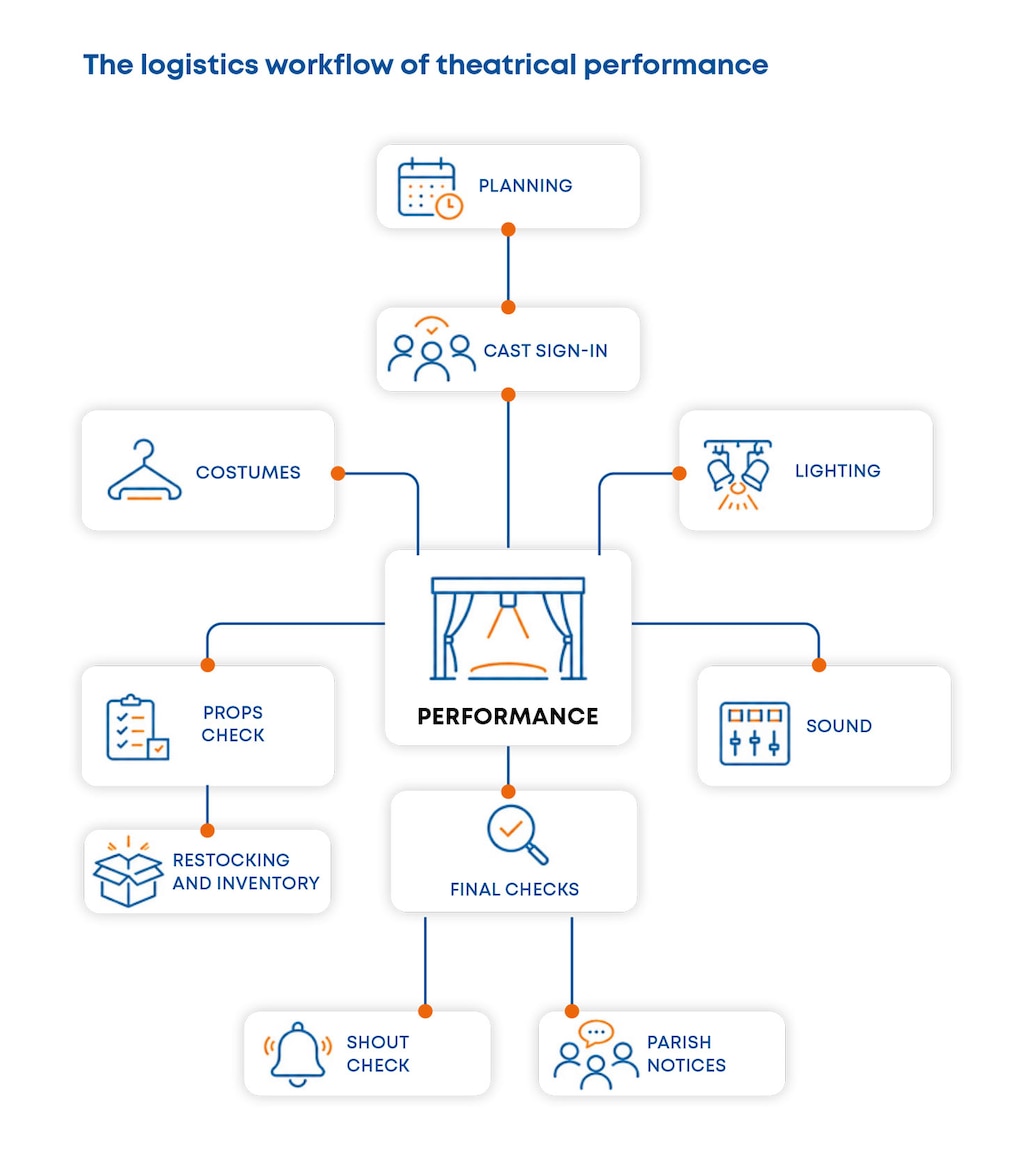
Costumes are another fundamental part of the production. The play has retained the distinctive look of 1950s England since its premiere, and every garment and accessory helps preserve its visual identity. To ensure that continuity, the wardrobe department arrives three hours before each performance to check that every garment is clean, pressed and ready. During the performance, one member of the team remains backstage to oversee quick costume changes. “This is all rehearsed and choreographed during our technical rehearsals,” adds Salmon.
Communication keeps the production running
For the magic to happen on stage, The Mousetrap relies on another critical ingredient: communication. Sharing information enables the team to resolve issues quickly. “Even when the news isn’t good, it’s always better to know so we can deal with it out in the open and effectively,” says Salmon.
Communication is reinforced by standardised routines. Around an hour before each performance, the company gathers for parish notices, a long-standing British theatre tradition where announcements are shared and operational issues are discussed. “Cast members can also hold a brief rehearsal if needed,” says Salmon. The team then conducts a shout check, where one person reads through a list of props while another confirms that every item is in its correct place.
Maintaining stocks of essential items is key to keeping the production running
Once every verification has been completed and the curtain is about to rise, the complex operation involving actors, technicians and backstage staff swings into action. Stage entrances and exits — together with sound, snow and wind effects — unfold with split-second precision. The audience, however, remains unaware of the intricate coordination behind every cue.
But how does the company coordinate an operation involving dozens of people and countless tasks every week? “Rehearsals! Many rehearsals!” says Salmon. During each performance, a single person oversees the cues that drive the production, from lighting changes to pre-recorded sound effects. To do so, they work from a book containing prompts linked to specific lines in the script or movements by the actors. “Some cue lights tell the actors when to make their entrance, although most of the time they already know from the action unfolding on stage,” she says.
More than 70 years on, the curtain still rises
“If the backstage team and I do our jobs correctly, the audience should never know we’re there. In the wings, there’s almost a dance, with everyone moving about and being in the right place for the right part of the show,” says Salmon.
The logistics behind The Mousetrap do more than move props — they coordinate information, people and processes
That invisible coordination is what has kept The Mousetrap in the West End for more than seven decades. “It’s difficult to know exactly how the production worked in its early years, but the running of a show certainly has a rhythm to it, and I imagine it always has,” says Salmon. “Every six months, the cast changes, and we review the documentation and procedures to make sure everything continues to run as smoothly as possible.”
More than 30,000 performances later, logistics remain just as important as they were on opening night. While audiences may remember Agatha Christie’s characters or the mystery at the heart of the play, the real challenge lies in ensuring everything is ready for the next performance. “We’re all part of a wheel that keeps turning,” says Salmon.
To find out more about the world’s longest-running play, visit themousetrap.com.