


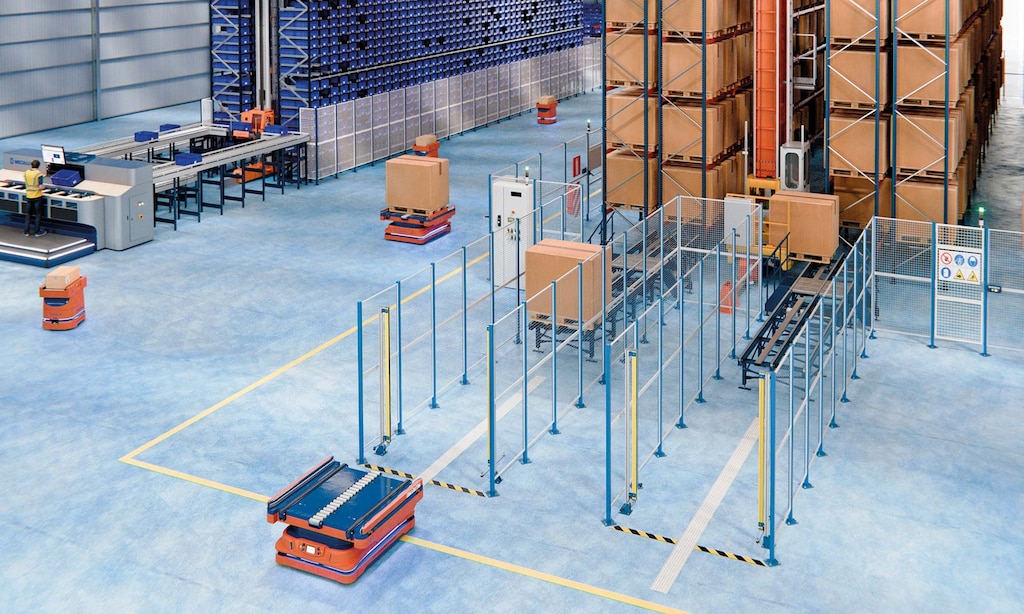
Robotics is entering a new phase. As intelligence gives machines greater autonomy, physical AI is increasing the capabilities of robots and, by extension, humans. This is the key takeaway from Physical AI: Powering the new age of industrial operations, a white paper by the World Economic Forum (WEF) in collaboration with Boston Consulting Group (BCG). The report highlights robotics as a strategic lever for strengthening business resilience and competitiveness.
Physical AI refers to the branch of artificial intelligence that enables machines to interact with the material world by processing data from sensors. These systems gather real-time information from their surroundings, allowing them to make decisions and respond dynamically to changing conditions.
The WEF expects rule-based, training-based and context-aware robotics to coexist in future industrial operations. Each approach serves a different purpose depending on task complexity, variability and scale, making them complementary rather than competing models. The report also highlights that this sector is growing rapidly: by 2023, over four million industrial robots had been deployed worldwide.
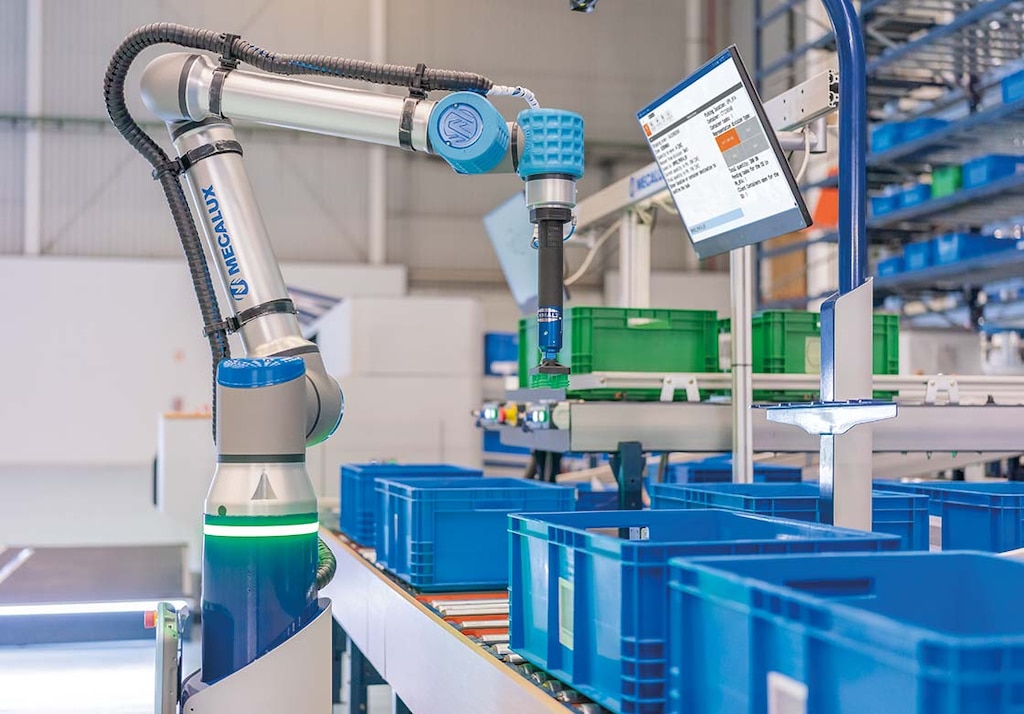
Creating industrial value
According to WEF and BCG experts, automation is opening up opportunities across the industrial value chain, with early adopters already seeing measurable gains. Advances in training methods (e.g. reinforcement learning and imitation learning) combined with new hardware components like soft grippers and tactile sensors enable robots to reason and adapt in real time.
As physical AI supports a broader range of applications and becomes easier to implement, automation is increasingly viable. Today’s intelligent robots are streamlining processes across the value chain, from material handling and precision assembly through to packaging, intralogistics, quality inspection and maintenance. The report ultimately encourages companies to move beyond short-term thinking and position robotics as a long-term driver of sustainable operational excellence.